
Air Canada Pet Policy 2026: Flying with Your Dog or Cat on Air Canada

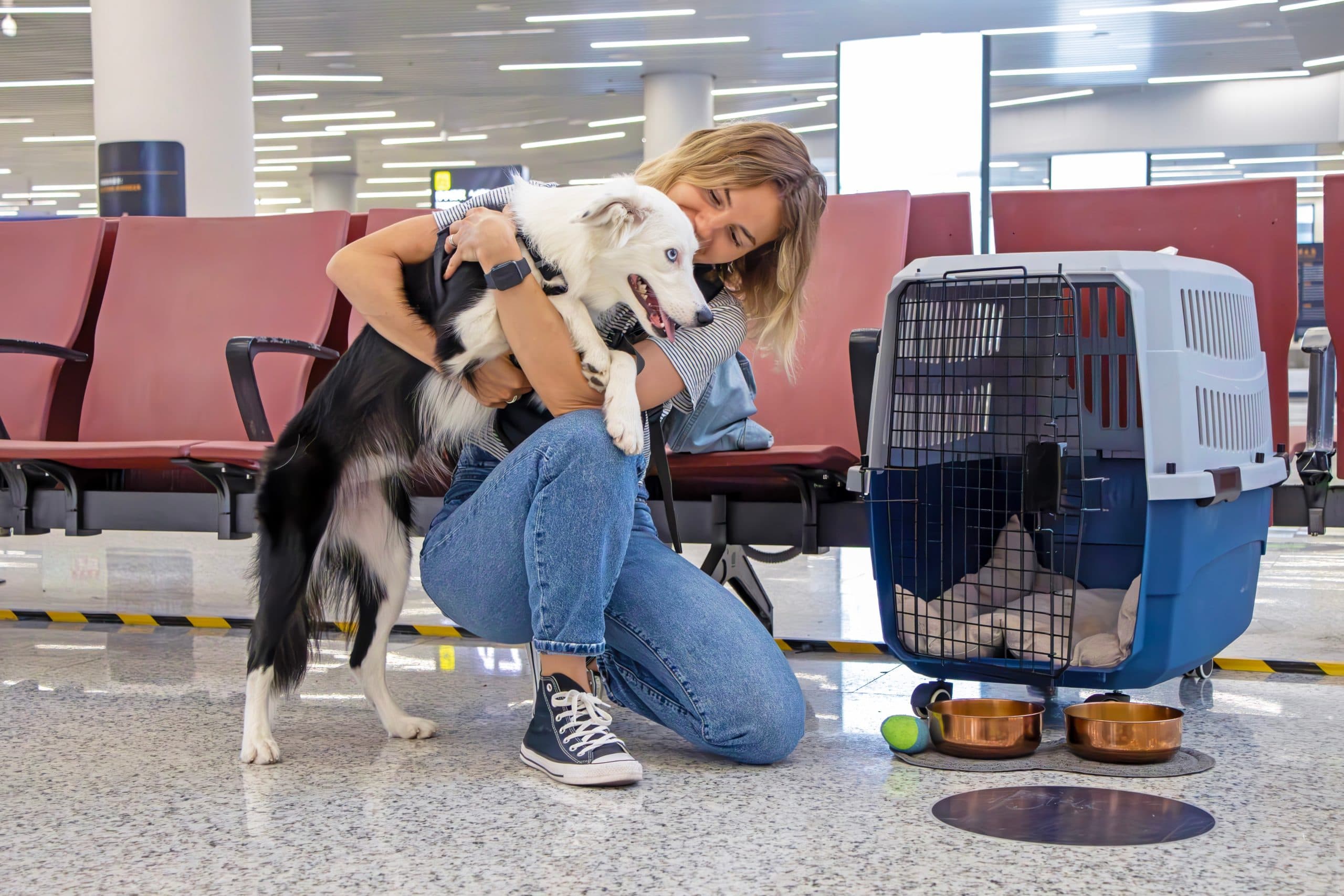
Flying with a pet on Air Canada in 2026 is absolutely possible but only if you understand how the airline interprets its own pet travel rules.
I’ve flown internationally with my dogs multiple times, and through Paws Abroad we’ve supported hundreds of pet parents navigating Air Canada’s pet policy for domestic flights, international relocations, and long-haul travel. The challenge isn’t that Air Canada doesn’t allow pets it’s that small misunderstandings around weight limits, carrier rules, and booking timelines often lead to denied boarding or last-minute stress.
This Air Canada pet policy guide covers in-cabin pets, Air Canada pet carrier requirements, Air Canada pet weight limits, and how flying with a dog or cat on Air Canada works for both domestic and international flights. Whether you’re reviewing the Air Canada dog policy or Air Canada cat policy, the rules are the same and enforced consistently.
(Policy reviewed December 2025)
Does Air Canada Allow Pets in the Cabin?
Yes. Air Canada allows small dogs and cats to fly in the cabin on most routes if specific requirements are met.
To qualify for in-cabin pet travel on Air Canada:
- Your pet and carrier combined must weigh 10 kg (22 lbs) or less
- Your pet must travel in a soft-sided carrier
- Cabin pet space must be reserved in advance
- Pet fees apply for both domestic and international flights
Air Canada limits the number of pets per flight, which means availability matters just as much as eligibility.
Paws Abroad context:
This is exactly why we built a system that shows you at a glance whether your pet is likely to qualify for in-cabin travel based on their size, carrier type, and route before you book anything.
Air Canada In-Cabin Pet Weight Limit (10 kg / 22 lbs Explained)
Air Canada’s in-cabin pet weight limit applies to the combined weight of your pet and the carrier, not your pet alone.
This is one of the most common reasons pets are denied cabin travel at the airport.
If your dog weighs 12 lbs and your carrier weighs 10 lbs, Air Canada considers the total weight to be over the limit, even if your pet appears small.
Best practices:
- Choose a lightweight soft-sided carrier (typically 2–4 lbs)
- Weigh your pet inside the carrier at home
- Leave buffer room rather than aiming for exactly 22 lbs
Paws Abroad context:
Inside Paws Abroad, pet profiles include carrier guidance and weight buffers so you’re not guessing especially helpful if your pet is close to the limit
Air Canada Soft-Sided Carrier Requirement (June 2025 Update)
As of June 1, 2025, Air Canada no longer allows hard-sided pet carriers in the cabin.
All in-cabin pets must travel in:
- Soft-sided, flexible carriers
- Collapsible designs that fit fully under the seat
- Carriers with adequate ventilation on multiple sides
This rule applies to:
- Air Canada
- Air Canada Rouge
- Air Canada Express
If your carrier does not meet these requirements, exceptions at the airport are unlikely.
Paws Abroad context:
We see a lot of stress here especially from pet parents who last flew years ago. Having an up-to-date checklist (that updates when airline rules change) prevents last-minute surprises.
Minimum Age Requirements for Pets Flying on Air Canada
To fly in the cabin on Air Canada, pets must be:
- At least 10–12 weeks old
- Fully weaned
- Healthy enough for air travel
Although Air Canada lists 10 weeks as the minimum age, some agents cite 12 weeks. If your pet is near the cutoff, confirm in advance.
Paws Abroad context:
Age rules vary by airline and destination. Keeping your pet’s profile and timeline in one place makes it easier to confirm eligibility before booking.
How to Book Your Pet on Air Canada (Correct Process & Timeline)
Booking your pet correctly is critical.
Step 1: Book Your Passenger Ticket First
Your pet cannot be added until you have a confirmed passenger booking.
Step 2: Reserve Pet Space Immediately
Contact Air Canada Reservations or book online as soon as your ticket is confirmed. Pet space is limited on each flight.
Step 3: Provide Pet Details
You’ll be asked for:
- Pet breed, age, and weight (with carrier)
- Carrier dimensions
- Travel dates and flight numbers
Step 4: Pay the Pet Fee Early
Booking online at least 48 hours before departure is cheaper than paying at the airport.
From experience, booking your pet the same day you book your flight offers the best chance of securing cabin space.
Paws Abroad context:
This is where many people wish they had a clear checklist. Inside Paws Abroad, booking steps are laid out in order so nothing gets missed during a stressful planning window.
Air Canada Pet Fees (2026 Pricing Estimates)
- Domestic flights: ~$50–59 CAD (booked online in advance)
- International flights: ~$100–118 CAD
- Airport payment rates are higher
Pet fees are charged per direction, not round-trip
Paws Abroad context:
Seeing airline fees alongside documentation costs and destination requirements helps pet parents budget realistically especially for international moves.
Flying Larger Dogs on Air Canada: Checked Baggage vs Cargo
If your dog exceeds the in-cabin weight limit, Air Canada offers two alternatives.
Checked Baggage Pet Travel
- Combined pet + kennel up to 45 kg (100 lbs)
- Hard-sided IATA-compliant kennel required
- Climate-controlled cargo hold
- Commonly used for international relocations
Air Canada Cargo (AC Animals Program)
- Used for very large dogs or specialized cases
- Requires separate booking through Air Canada Cargo
- Pricing varies widely based on size and route
For most standard relocations, checked baggage is the preferred option.
Paws Abroad context:
Choosing between cabin, baggage, or cargo depends on your pet, route, and length of travel. Having a side-by-side comparison removes a lot of emotional guesswork.
Cabin vs Checked Baggage vs Cargo: How to Choose the Right Option for Your Pet
Choosing how your pet should travel on Air Canada is not just about weight it’s about temperament, route length, and overall stress.
When In-Cabin Travel Is Best
In-cabin travel is ideal for:
- Small dogs and cats under 22 lbs (with carrier)
- Short to medium flights
- Pets that are calm in enclosed spaces
- Owners who want continuous visual contact
When Checked Baggage Is a Better Option
Checked baggage is often the better choice for:
- Medium to large dogs
- Long international flights
- Pets that can stand, turn, and rest comfortably in a kennel
- Routes where cabin confinement would be excessive
When Cargo Is Necessary
Cargo travel is generally reserved for:
- Very large dogs
- Multi-leg or complex international routes
- Situations where airline cabin or baggage limits cannot be met
There is no universally “right” option only the option that best matches your pet’s needs and your route.
How Connecting Flights Affect Air Canada Pet Travel
Connecting flights introduce additional complexity, especially when traveling internationally.
Key considerations include:
- Each aircraft type may have different under-seat dimensions
- Pet limits apply per flight, not per itinerary
- Some partner airlines do not accept pets at all
- U.S. connections may trigger additional import requirements
A flight that works perfectly on paper can become risky if one leg does not accept pets in the cabin or has already reached its pet limit.
Paws Abroad context:
This is one of the most common reasons people re-route flights. Seeing pet compatibility across all legs before booking prevents costly rebooking later.
Preparing Your Pet for an Air Canada Flight (What Actually Helps)
Air Canada focuses on compliance but your pet’s comfort matters just as much.
Based on our experiences, the most effective preparation steps include:
- Practicing time in the carrier well before travel
- Avoiding heavy meals 2–3 hours before departure
- Scheduling a pre-flight veterinary check-up
- Placing a personal item that smells like you in your pets travel carrier.
- Staying calm yourself pets read stress extremely well
Sedation should never be used without veterinary guidance and is generally discouraged for air travel.
What Happens If Your Air Canada Flight Is Delayed or Changed
Delays happen and they can affect pets differently than passengers.
If your flight is delayed:
- Cabin pets remain with you
- Checked baggage pets remain in climate-controlled holding areas
- Long delays may require re-evaluation of pet welfare
If your flight is rebooked:
- Pet space is not automatically guaranteed on the new flight
- Fees may need to be reprocessed
- Availability must be reconfirmed
This is why early booking and buffer time matter more when traveling with animals
Is Air Canada a Good Airline for International Pet Relocation?
Compared to other North American airlines, Air Canada offers:
- Competitive cabin weight limits
- Clear documentation requirements
- Service dog recognition
- Established cargo infrastructure
That said, Air Canada is still a commercial airline not a relocation service. Success depends on preparation, timing, and understanding both airline and country rules.
For international relocations, Air Canada works best when paired with:
- Early planning
- Clear documentation tracking
- A backup plan if cabin travel becomes unavailable
When to Get Extra Help with Air Canada Pet Travel
Some trips are straightforward. Others are not.
You may want additional support if:
- You’re relocating internationally
- Your pet is near weight limits
- Your breed faces restrictions
- You’re connecting through multiple countries
- Documentation timelines overlap with travel dates
This is where structure rather than last-minute problem solving changes the entire experience.
Air Canada Breed Restrictions and Snub-Nosed Dogs
Air Canada restricts many brachycephalic (snub-nosed) breeds due to respiratory risk, including:
- French Bulldogs
- English Bulldogs
- Pugs
- Persian cats
In some cases, in-cabin exceptions may be granted with veterinary documentation, but approval is case-specific and not guaranteed.
Paws Abroad context:
Breed restrictions are one of the most confusing parts of airline pet travel. We always recommend confirming airline policy and having a documented backup plan.
Service Dogs vs Emotional Support Animals on Air Canada
Air Canada:
- Allows trained service dogs, including psychiatric service dogs, to fly free with proper documentation
- Does not recognize emotional support animals (ESAs) as service animals
Emotional support animals must travel under standard pet rules, carrier requirements, and pet fees.
Paws Abroad context:
Understanding this distinction early prevents uncomfortable conversations at the airport and ensures you prepare the correct paperwork.
International Pet Travel Requirements When Flying Air Canada
Flying internationally with a pet on Air Canada also requires meeting destination-country import regulations, which may include:
- Veterinary health certificates
- Rabies vaccination records
- Microchipping
- Import permits
- Country-specific treatments or waiting periods
Airline approval does not replace country entry requirements both must be satisfied.
Paws Abroad context:
This is where most international pet travel becomes overwhelming. Centralizing airline rules, country requirements, and timelines into one plan is what gives pet parents peace of mind.
Common Reasons Pets Are Denied Boarding on Air Canada
Even when pet parents believe they’ve followed Air Canada’s pet policy correctly, denied boarding still happens. In almost every case we’ve seen, the issue is not the pet it’s a technical or procedural detail that was overlooked.
The most common reasons pets are denied boarding on Air Canada include:
- Combined pet + carrier weight exceeding 10 kg (22 lbs)
- Non-compliant carrier type or dimensions
- Cabin pet space already filled on the flight
- Incomplete or expired documentation for international travel
- Breed restrictions not confirmed in advance
- Payment for pet travel not completed within the required window
Denied boarding is rarely personal it’s procedural. This is why checking eligibility before booking, not just before departure, makes such a difference.
Paws Abroad context:
We built safeguards into our planning flow specifically to flag these risk points early, when there’s still time to adjust routes or travel methods.
Why Planning Pet Travel Early Makes a Difference
From coordinating hundreds of international pet relocations, the biggest factors for a smooth experience are:
- Booking pet space early
- Understanding airline-specific rules
- Choosing the right travel method for your pet
- Preparing documentation well in advance
This is also where having a clear system, rather than scattered notes and screenshots, makes everything feel more manageable.
Can Pets Fly Safely on Air Canada? Final Takeaway
Yes when planned properly.Air Canada Pet Policy 2026: Flying with Your Dog or Cat on Air Canada
Flying with a pet on Air Canada in 2026 is absolutely possible but only if you understand how the airline interprets its own pet travel rules, especially for flights operated by Air Canada and its regional partners like Air Canada Express, Air Georgian, and Sky Regional.
I’ve flown internationally with my dogs multiple times, and through Paws Abroad we’ve supported hundreds of pet parents navigating Air Canada’s pet policy for domestic flights, international relocations, and long-haul travel. The challenge isn’t that Air Canada doesn’t allow pets — it’s that small misunderstandings around weight limits, carrier rules, and booking timelines often lead to denied boarding or last-minute stress.
This Air Canada pet policy guide covers in-cabin pets, Air Canada pet carrier requirements including maximum carrier size, Air Canada pet weight limits, breed restrictions including dog breeds like Boston Terrier, Caucasian Shepherd Dog, Pit Bull, English Toy Spaniel, Tibetan Spaniel, Chinese Pug, Teddy Bear, Lhasa Apso, Brussels Griffon, Japanese Chin, and wolf dog hybrids, and how flying with a dog or cat on Air Canada works for both domestic and international flights. Whether you’re reviewing the Air Canada dog policy or Air Canada cat policy, the rules are the same and enforced consistently.
(Policy reviewed December 2025)
Does Air Canada Allow Pets in the Cabin?
Yes. Air Canada allows small dogs and cats to fly in the cabin on most routes if specific requirements are met, including on Air Canada Express flights.
To qualify for in-cabin pet travel on Air Canada:
- Your pet and carrier combined must weigh 10 kg (22 lbs) or less.
- Your pet must travel in a soft-sided carrier; hard sided carriers are no longer permitted in the cabin as of June 1, 2025.
- The carrier must fit fully under the seat in front of you (no carry on bag is allowed when traveling with a pet as the pet carrier counts as your carry on).
- Cabin pet space must be reserved in advance by contacting Air Canada Reservations or via the Air Canada website.
- Pet fees apply for both domestic and international flights.
Air Canada limits the number of pets per flight, which means availability matters just as much as eligibility.
Note: Pets are not allowed in premium economy seats or business class cabins, as Air Canada restricts pets from these sections.
Air Canada In-Cabin Pet Weight Limit (10 kg / 22 lbs Explained)
Air Canada’s in-cabin pet weight limit applies to the combined weight of your pet and the carrier, not your pet alone.
This is one of the most common reasons pets are denied cabin travel at the airport, especially when traveling with breeds like Boston Terrier or English Toy Spaniel that might be small but heavy.
If your dog weighs 12 lbs and your carrier weighs 10 lbs, Air Canada considers the total weight to be over the limit, even if your pet appears small.
Best practices:
- Choose a lightweight soft-sided carrier (typically 2–4 lbs), ensuring it is leak proof and made of synthetic material to comply with Air Canada pet carrier requirements.
- Weigh your pet inside the carrier at home.
- Leave buffer room rather than aiming for exactly 22 lbs.
Air Canada Soft-Sided Carrier Requirement (June 2025 Update)
As of June 1, 2025, Air Canada no longer allows hard-sided pet carriers in the cabin.
All in-cabin pets must travel in:
- Soft-sided, flexible carriers.
- Collapsible designs that fit fully under the seat.
- Carriers with adequate ventilation on multiple sides.
This rule applies to:
- Air Canada.
- Air Canada Rouge.
- Air Canada Express, Air Georgian, Sky Regional flights.
If your carrier does not meet these requirements, exceptions at the airport are unlikely, and you may be denied boarding.
Minimum Age Requirements for Pets Flying on Air Canada
To fly in the cabin or as checked baggage on Air Canada, pets must be:
- At least 10–12 weeks old and fully weaned puppies or kittens.
- Healthy enough for air travel.
Although Air Canada lists 10 weeks as the minimum age, some agents cite 12 weeks. If your pet is near the cutoff, confirm in advance.
How to Book Your Pet on Air Canada (Correct Process & Timeline)
Booking your pet correctly is critical.
- Book Your Passenger Ticket First: Your pet cannot be added until you have a confirmed passenger booking.
- Reserve Pet Space Immediately: Contact Air Canada Reservations or use the Air Canada website as soon as your ticket is confirmed. Pet space is limited on each flight.
- Provide Pet Details: You’ll be asked for pet breed, age, weight (with carrier), carrier dimensions (including crate door size), and travel dates.
- Pay the Pet Fee Early: Booking online at least 48 hours before departure is cheaper than paying at the airport.
Booking your pet the same day you book your flight offers the best chance of securing cabin space.
Air Canada Pet Fees (2026 Pricing Estimates)
- Domestic flights: Approximately $50–59 CAD (booked online in advance).
- International flights: Approximately $100–118 CAD.
Pet fees are charged per direction, not round-trip.
Flying Larger Dogs on Air Canada: Checked Baggage vs Cargo
If your dog exceeds the in-cabin weight limit, Air Canada offers two alternatives:
Checked Baggage Pet Travel
- Combined pet + kennel up to 45 kg (100 lbs).
- Hard-sided IATA-compliant kennel required (must be leak proof, with a secure crate door).
- Climate-controlled baggage compartment.
- Maximum linear dimensions (L+W+H) of 115″ (292 cm).
- Commonly used for international relocations.
- Two pets of the same species and fully weaned puppies or kittens between 12 weeks and 6 months can fly in the same carrier.
- Special reinforced containers are required for strong dog breeds like Pit Bull, Caucasian Shepherd Dog, and wolf dog hybrids.
Air Canada Cargo (AC Animals Program)
- Used for very large dogs or specialized cases.
- Requires separate booking through Air Canada Cargo.
- Pricing varies widely based on size and route.
Cabin vs Checked Baggage vs Cargo: How to Choose the Right Option for Your Pet
Choosing how your pet should travel on Air Canada depends on weight, temperament, route length, and stress factors.
- In-cabin travel is ideal for small dogs and cats under 22 lbs (with carrier), short to medium flights, and pets calm in enclosed spaces.
- Checked baggage is better for medium to large dogs, long international flights, and pets that can stand, turn, and rest comfortably in a kennel.
- Cargo travel is generally reserved for very large dogs, multi-leg or complex international routes, or when cabin or baggage limits cannot be met.
Breed Restrictions and Snub-Nosed Dogs on Air Canada
Air Canada restricts many brachycephalic (snub-nosed) breeds due to increased risks of heat stroke and breathing problems, including:
- Boston Terrier.
- English Toy Spaniel.
- Brussels Griffon.
- Chinese Pug.
- Lhasa Apso.
- Japanese Chin.
- Tibetan Spaniel.
- Teddy Bear (Zuchon or Shichon).
- Pit Bull and other strong dog breeds must be transported in special reinforced containers.
These breeds are not permitted in the baggage compartment or cargo hold due to health risks.
Service Dogs vs Emotional Support Animals on Air Canada
- Service dogs trained to assist persons with disabilities fly free with proper documentation and must be registered in advance.
- Emotional Support Animals (ESAs) are no longer recognized as service animals and must travel under standard pet rules and fees.
International Pet Travel Requirements When Flying Air Canada
Flying internationally with a pet requires meeting destination country import regulations, including:
- Veterinary health certificates.
- Rabies vaccination records.
- Microchipping.
- Import permits.
- Country-specific treatments or waiting periods.
Airline approval does not replace country entry requirements; both must be satisfied.
Check-in and Airport Procedures for Pets
- Pets must be checked in at the airport counter; airport self service kiosks cannot be used.
- Arrive at least 30 minutes earlier than recommended check-in time.
- Pets traveling in the cabin count as your carry on; no additional carry on bag is allowed.
- Flight crew and ground staff may need access to your pet in emergencies; do not lock the crate door.
Connecting Flights and Code Share Considerations
- Pets must be booked on the same flight and same carrier for connecting flights.
- Flights operated by other airlines may have different pet policies; check carefully.
- Pets are not accepted on some Air Canada codeshare flights operated by other airlines.
Common Reasons Pets Are Denied Boarding on Air Canada
- Combined pet + carrier weight exceeding 10 kg (22 lbs).
- Non-compliant carrier type or size restrictions.
- Cabin pet space already filled on the flight.
- Incomplete or expired documentation for international travel.
- Breed restrictions not confirmed in advance.
- Payment for pet travel not completed within the required window.
Denied boarding is rarely personal; it’s usually due to procedural issues.
Popular Destinations and Route-Specific Restrictions
- Pets are not permitted in the cabin or baggage compartment on flights to/from Australia, Barbados, Hawaii, Hong Kong, Ireland, Jamaica, New Zealand, South Africa, and Trinidad and Tobago.
- Some aircraft, including Boeing 737 MAX 8, do not allow pets in the baggage compartment.
- Seasonal temperature restrictions apply to protect pets from heat stroke or cold stress.
- Popular U.S. destinations like Las Vegas, Dallas Fort Worth, West Palm, Fort Lauderdale, Palm Springs, and Fort Myers may have specific restrictions; check in advance.
Air Canada Pet Policy FAQs (Common Questions)
How much does Air Canada charge to fly with a pet?
Air Canada charges approximately $50–59 CAD for domestic in-cabin pet travel and $100–118 CAD for international flights, per direction.
Can dogs fly in the cabin on Air Canada?
Yes, small dogs can fly in the cabin on Air Canada if the combined weight of the dog and carrier does not exceed 10 kg (22 lbs).
Does Air Canada allow cats in the cabin?
Yes, cats are permitted in the cabin on Air Canada under the same weight and carrier requirements as dogs.
What size pet carrier does Air Canada allow?
Air Canada requires soft-sided pet carriers that fit fully under the seat and allow adequate ventilation. Maximum carrier size varies by aircraft.
Can emotional support animals fly on Air Canada?
No. Emotional support animals must travel as regular pets and follow standard pet policy rules.
How early should I book my pet on Air Canada?
Pet space should be booked as soon as your flight is confirmed, ideally the same day.
Sources & Policy References
- Air Canada Official Pet Policy.
- Air Canada Cargo AC Animals Program.
- IATA Live Animal Regulations.
- DOT Service Animal Rules.
Air Canada is one of the more pet-accommodating international airlines, but success depends on:
- Understanding weight and carrier limits
- Reserving pet space early
- Selecting the correct travel method
- Preparing international documentation ahead of time
With the right preparation and structure, pets fly on Air Canada safely every day.
Air Canada Pet Policy FAQs (Common Questions)
How much does Air Canada charge to fly with a pet?
Air Canada charges approximately $50–59 CAD for domestic in-cabin pet travel and $100–118 CAD for international flights, per direction.
Can dogs fly in the cabin on Air Canada?
Yes, small dogs can fly in the cabin on Air Canada if the combined weight of the dog and carrier does not exceed 10 kg (22 lbs).
Does Air Canada allow cats in the cabin?
Yes, cats are permitted in the cabin on Air Canada under the same weight and carrier requirements as dogs.
What size pet carrier does Air Canada allow?
Air Canada requires soft-sided pet carriers that fit fully under the seat and allow adequate ventilation.
Can emotional support animals fly on Air Canada?
No. Air Canada no longer recognizes emotional support animals. ESAs must travel as regular pets and follow standard pet policy rules.
How early should I book my pet on Air Canada?
Pet space should be booked as soon as your flight is confirmed, ideally the same day.
Sources & Policy References
Join the Conversation
Share your thoughts, experiences, or questions about this article.