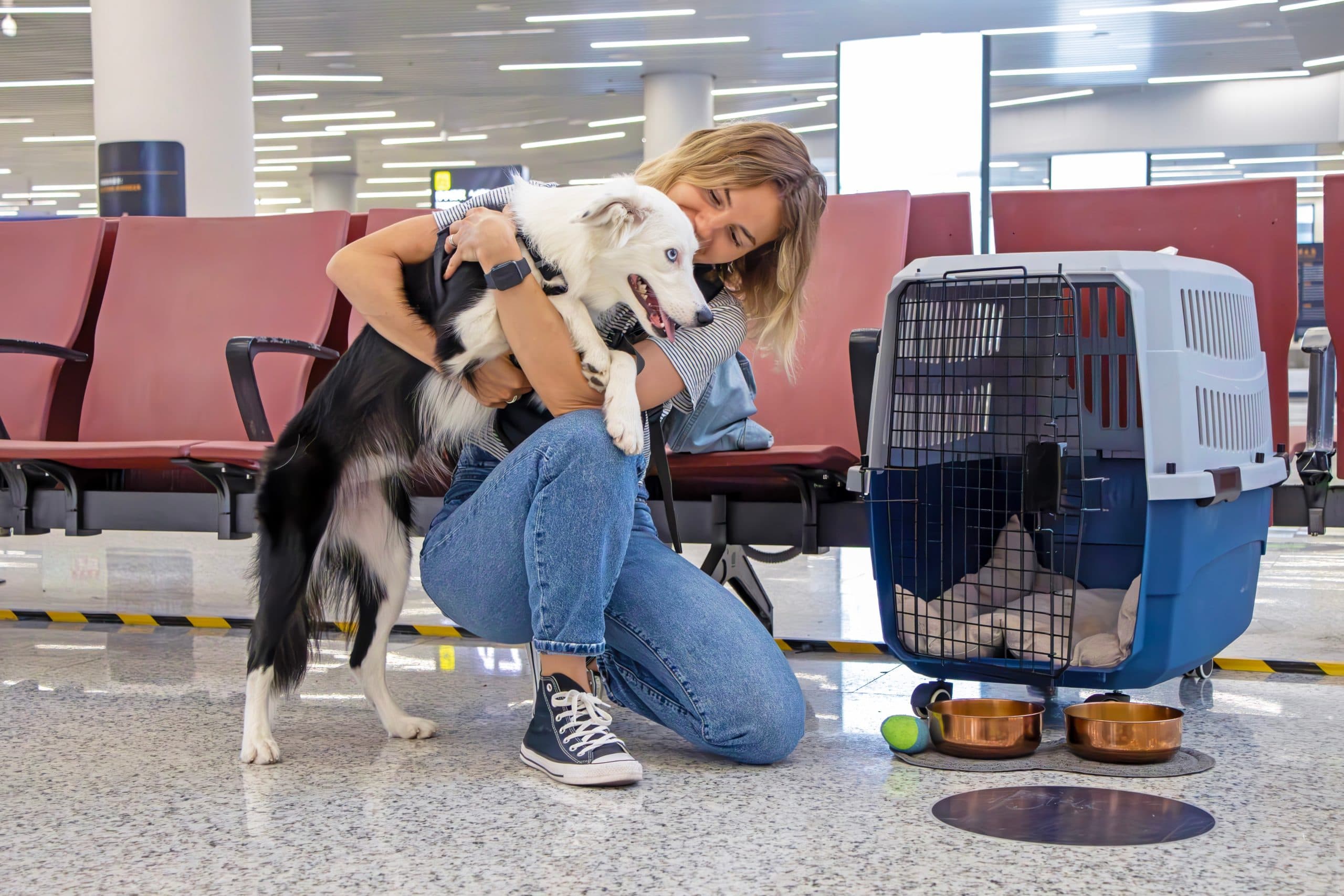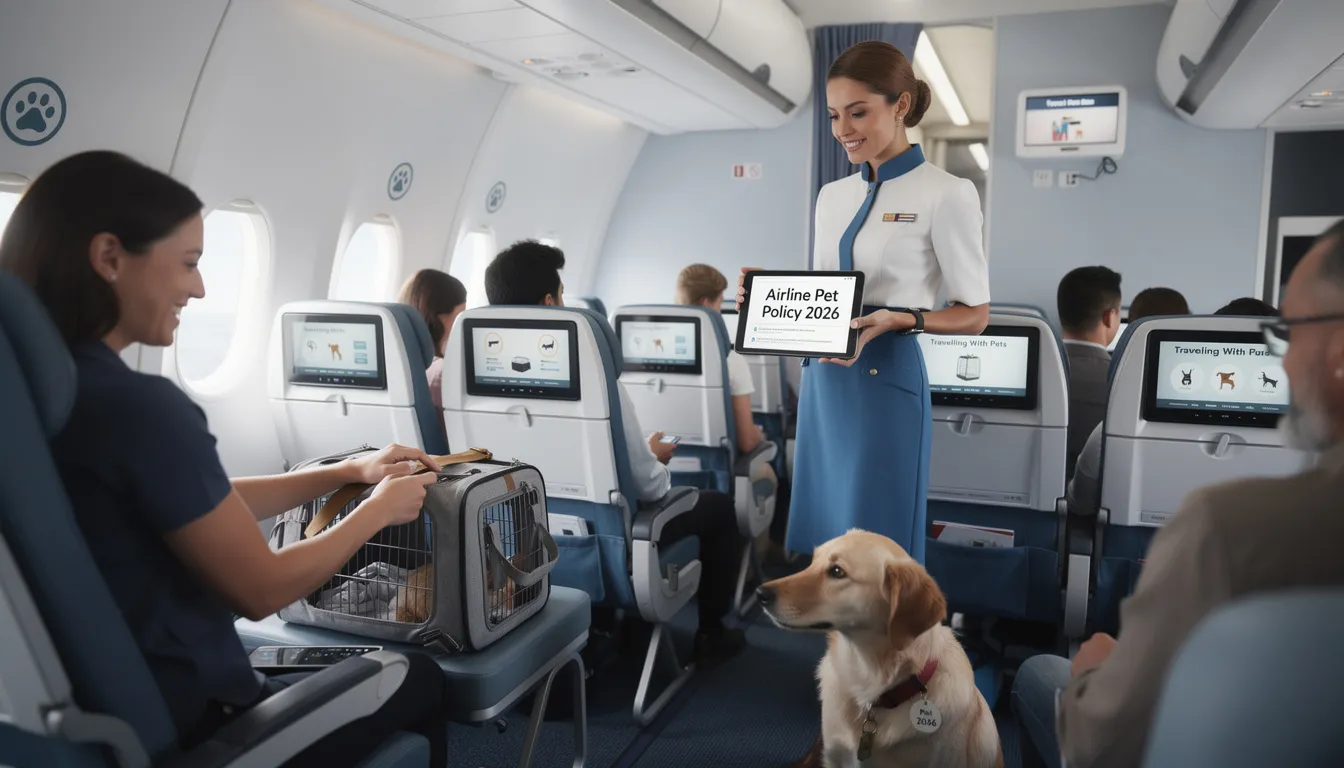
Airline pet policies are one of the most confusing parts of pet travel. While many airlines do allow pets to fly, how “pet friendly” they are varies significantly. Whether a pet can travel and how depends on the airline, aircraft type, route, season, and the pet’s size or breed.
Not all airlines or flights accept pets, and acceptance depends on specific circumstances such as whether pets are allowed in the cabin or must travel as cargo. Most airlines require pets to travel in an approved pet carrier that meets maximum dimensions for in-cabin or cargo travel.
This guide from Paws Abroad explains how international airline pet policies work in 2026, what restrictions commonly apply, and how pet parents can evaluate airline options safely. Since airline rules change frequently and vary by route, understanding airline pet policies is critical to being denied boarding or last minute surprises when travelling with your pet.
If you want personalized help navigating these complex policies, consider joining the Paws Abroad membership for tailored guidance and support.
Introduction to Pet Travel
Traveling with pets, whether for a family vacation, relocation, or a new adventure, can be incredibly rewarding, but it comes with unique challenges. Every airline and country has its own pet policy, and understanding these rules is essential for a smooth journey. Before you book your ticket, it’s important to research not only if pets are allowed, but also the specific requirements for service dogs, only trained service animals, emotional support animals, and pets traveling in the cabin or as checked baggage. Breed restrictions, vaccination requirements, documentation, and carrier guidelines can all impact your travel plans. By familiarizing yourself with the latest pet travel regulations, including those from the American Veterinary Medical Association and airline pet policies, you’ll be better prepared to ensure your pet’s safety and well being throughout the trip.
For more detailed, route-specific advice and airline ratings, our Paws Abroad membership offers exclusive tools and expert insights.
How Airline Pet Policies Work
Airline pet policies are often confusing as they operate independently from the import requirements of the countries they are flying to. Just because your pet meets the countries import requirements does NOT mean your pet will automatically be accepted on a flight. Airlines apply their own operational policies that determine how and whether a pet can travel on a particular route.
These policies are impacted by a variety of variables that change from flight to flight. The type of aircraft matters as not all planes are equipped with temperature controlled holds to safely transport animals, and there are specific aircraft restrictions that may make certain aircraft types unsuitable for pet transport. Routes also play a role as some destinations impose additional restrictions (such as pets not being allowed in cabin on commercial airlines flying in to the UK or European Union for example) or transit limitations. Seasonal factors also can come into play and if the ground temperature at departure location or arrival destination is too hot or too cold this can trigger pet travel embargoes on specific routes. Lastly, a pet’s breed/size, whether they are travelling in cabin, as checked baggage or manifest cargo also significantly impact their eligibility requirements.
Because airline pet policies are driven by operational realities and federal regulations, information from airline call centers is often incomplete or inconsistent. Most agents are working from high-level policy guidelines, not the specific aircraft, routing, or seasonal constraints tied to an individual flight. That means details like last-minute aircraft changes, temperature embargoes, or route-specific handling limits may not be visible at the time of booking. While most flights may accept dogs, cats, and other small household birds or domestic cats, there are exceptions based on aircraft restrictions, route, and other operational factors. This is one of the most common failure points we see at Paws Abroad when pet parents rely on airline approval alone.
To reduce stress and avoid surprises, many pet parents find value in the comprehensive planning resources available through our Paws Abroad membership.
Types of Airline Pet Travel
Airlines generally move pets in one of three ways. Understanding these categories and their limitations is essential, because availability depends less on preference and more on logistics, safety, and route conditions. In addition to pets traveling in the cabin or as cargo, some airlines allow checked pets (those traveling as checked baggage) subject to specific eligibility criteria. What works for one pet or journey may not be possible for another, even on the same airline.
In-Cabin Pet Travel
In-cabin travel allows small dogs, domestic cats, and sometimes other small pets like guinea pigs or small household birds to fly inside the passenger cabin, typically in an airline-approved soft sided carrier placed under the seat as a carry on bag or personal item. Airlines typically require a soft sided carrier for in-cabin pets, as these carriers are flexible enough to fit under the seat and meet airline regulations on maximum dimensions. This option is often viewed as the least stressful for pets, but it comes with strict limitations.
Size and weight limits are non-negotiable, and both the pet and carrier must fit comfortably within the space provided. Carriers must meet specific dimensions, allow adequate ventilation, and keep the pet fully enclosed at all times. It is important to note that weight/size restrictions vary by airline to airline as well. Seating restrictions also apply; pets are not permitted in bulkhead rows or exit rows, and the number of in-cabin pets allowed per flight is limited.
For international travel, in-cabin eligibility can be further restricted by destination rules, transit requirements, and aircraft type. Even when a pet qualifies domestically, international routes may impose additional limitations that remove in-cabin options altogether.
Our membership program provides up-to-date airline pet policy information so you can confidently plan in-cabin travel for your pet.
Checked Baggage Pet Travel
Checked baggage pet travel refers to pets traveling in a climate-controlled section of the aircraft, checked in at the ticket counter but handled separately as live animals. This option is still offered by many airlines on select routes and aircraft types, though availability has become more conditional over time.
Pet strollers must be checked in at the airport and count as checked baggage, so be sure to factor this into your travel arrangements.
Whether checked baggage pet travel is permitted depends heavily on operational factors. Aircraft configuration, staffing, route length, and ground handling capabilities all play a role. Temperature restrictions are especially important airlines monitor forecasted ground temperatures at both departure and arrival airports, and may suspend pet travel when conditions exceed safety thresholds.
Because these variables can change, checked baggage pet travel is more sensitive to seasonal conditions than in-cabin travel. While it remains a viable option for some pets and routes, it requires careful confirmation closer to departure and should not be assumed available year-round. Additionally, if your pet is travelling as checked baggage it is important to ensure that the airline you are choosing is experienced in pet travel and known for being a pet friendly carrier. The Paws Abroad membership includes a pet friendly airline search tool and rating system which allows you to include custom information about your pet, select your travel dates arrival/destination countries and see pet friendly airlines/routes organized by our pet friendly rating system.
Cargo Pet Travel
Cargo pet travel is required when pets exceed in-cabin or checked baggage size limits, or when destination rules or destination requirements and entry regulations mandate cargo transport. Pets travel as manifested cargo in specialized crates designed to meet international live animal transport standards.
Cargo policies are strict because the logistics are complex. Requirements typically include specific crate construction, advance booking, veterinary documentation from a veterinary clinic, and coordination with ground handling teams. Not all routes support live animal cargo, and not all pets qualify based on breed, age, health, or travel conditions.
While cargo can be safe when properly managed, it is not a universal solution. Evaluating whether cargo is appropriate depends on the pet, the route, the time of year, and the airline’s operational capabilities.
Members of Paws Abroad benefit from expert advice on cargo travel and crate requirements to help ensure your pet’s comfort and safety.
IATA-Certified Pet Crates and Airline Requirements
For pets traveling as checked baggage or cargo, airlines typically require crates that meet International Air Transport Association (IATA) Live Animals Regulations.These standards are designed to ensure pets can be transported safely and humanely during air travel.
An IATA-compliant crate must be appropriately sized, allowing the pet to stand, sit, turn around, and lie down in a natural position. Crates must be rigid, well-ventilated on multiple sides, and constructed from durable materials that can withstand handling during loading and unloading. Secure fastenings, leak-proof flooring, and proper labeling are also required.
While the IATA regulations provide a baseline, airlines may apply additional crate requirements depending on the route, aircraft, or destination. Some carriers impose stricter size limits, reinforcement rules, or ventilation standards beyond the IATA minimums. Others may require advance crate approval or photographic verification before accepting a pet for travel.
Crate compliance is not assessed only at booking. Crates are inspected at check-in, and pets may be denied boarding if the crate does not meet airline or safety standards even if the pet was previously approved to travel. This makes crate selection and preparation a critical part of airline pet travel planning, particularly for international routes. Airlines may also specify a minimum age for pets traveling in crates, such as 8 weeks for domestic flights and up to 12-16 weeks for international journeys, so it’s important to check these requirements for compliance.
Understanding IATA crate requirements early helps pet parents avoid last-minute issues and ensures pets travel in conditions designed to prioritize safety and comfort.
Common Airline Pet Restrictions to Know in 2026
Airline pet restrictions are often less about pets themselves and more about operational risk. While policies vary, several limitations consistently affect international pet travel and are responsible for most last-minute disruptions. In particular, snub nosed dogs, also known as brachycephalic breeds, are subject to additional restrictions due to their increased risk of respiratory and cardiovascular problems during flights.
Seasonal Heat Embargoes
During periods of extreme heat, airlines may temporarily suspend pet travel on certain routes to reduce the risk of heat-related illness. These embargoes most often apply to pets traveling as checked baggage or cargo and can override standard pet travel policies.
Breed Restrictions
Some pets face additional limitations due to breed-specific health risks, most notably short-nosed (brachycephalic) breeds. These restrictions apply to both cats and dogs, especially for international travel, and are not based on temperament or travel history, but on well-documented respiratory vulnerabilities that can be exacerbated by stress, temperature changes, and altitude during air travel.
For brachycephalic dogs and cats, airlines may restrict or prohibit certain travel methods entirely, particularly checked baggage or cargo. Even when travel is technically permitted, acceptance often depends on a combination of factors including route length, aircraft type, seasonal temperatures, and the pet’s age and health status. A crate that meets all technical requirements does not override these limitations.
Breed-related restrictions can also vary by route. A pet that is accepted on one international journey may be denied on another due to climate conditions at the destination, transit airport handling capabilities, or updated airline risk assessments. In practice, prior successful flights do not guarantee future approval.
Because these policies are nuanced and applied conservatively, Paws Abroad factors breed information directly into the planning process. By entering your pet’s breed, size, and travel details, pet parents receive guidance that reflects real-world airline constraints rather than generic rules. This allows potential limitations to be identified early, so alternative routes or travel methods can be evaluated before booking.
Aircraft Limitations
Not all aircraft are equipped to safely transport live animals. Even within the same airline, different aircraft types may support different pet travel options. Aircraft changes close to departure can invalidate previously approved pet arrangements. For example, American Airlines has specific aircraft restrictions that may limit pet travel on certain planes.
Layover and Transit Country Issues
International routes involving layovers can introduce additional restrictions. Some transit countries impose their own handling rules or prohibit pet transit altogether, which can affect route eligibility even when the final destination allows pets. When planning travel with pets, it’s crucial to check the specific airline pet policies and entry requirements for each international destination, as rules may vary and impact your route options.
Route-Specific Bans
Certain routes are restricted due to climate, infrastructure, or handling limitations at specific airports, and in some cases, due to governmental regulations affecting pet travel. A pet-friendly policy on one route does not guarantee availability on another, even with the same airline.
These restrictions are applied differently by each airline, which is why reviewing airline-specific policies is essential.
Pre-Flight Preparation
Getting ready for international pet travel starts long before travel day. Airline requirements, veterinary timelines, and destination rules all intersect, and missing a single detail can derail an otherwise well-planned trip.
Most airlines require a health certificate issued by a licensed veterinarian within a narrow window before departure, often confirming your pet’s overall health, microchip status, and rabies vaccine. For international travel, those certificates may also need government endorsement from the health inspection service, and timelines can vary significantly by destination. Age requirements, vaccination sequencing, and waiting periods are often stricter than they appear at first glance.
Selecting the right pet carrier or crate is equally important. Airlines enforce precise size, construction, and ventilation standards, and these are checked at the airport not just at booking. A carrier must allow your pet to stand, turn, and lie down comfortably, while also meeting airline and route-specific limits. Pet travel fees or pet fee can also add up quickly and vary by airline, route, and travel method.
Breed considerations add another layer of complexity. Pets with respiratory or cardiovascular vulnerabilities may face additional restrictions regardless of prior travel experience or crate quality. These limitations are often applied conservatively and can change based on season or route conditions.
At Paws Abroad, this preparation process is shaped by real experience. Our team has navigated international moves with pets across multiple countries, and we’ve seen firsthand where plans tend to break down. By entering your pet’s details, including breed, size, and travel route, Paws Abroad helps identify requirements, constraints, and potential risks early, so pet parents can plan with clarity rather than reacting at the airport.
If you want expert help and access to tools that simplify this process, the Paws Abroad membership is designed to support you every step of the way.
Airline-Specific Pet Policies (2026)
Each airline applies pet travel rules differently depending on its fleet, routes, and handling capabilities. Below are airline-specific guides with current 2026 policies.
- Air Canada pet policy
- United Airlines pet policy
- Delta Airlines pet travel rules
- Lufthansa pet travel policy
Airline Pet Embargoes & Seasonal Restrictions
Airline pet embargoes are temporary restrictions that limit or suspend pet travel on specific routes. These embargoes are most commonly tied to seasonal weather conditions, particularly extreme heat or cold, which increase risk during ground handling and transit.
Embargoes are seasonal because temperature exposure, not flight duration, is often the primary safety concern. In practice, embargoes are usually route-based rather than date-based, meaning two flights on the same day may be treated differently depending on destination, aircraft, and ground conditions.
For a detailed breakdown of summer airline pet embargoes by carrier and destination, see our complete Summer Pet Travel Restrictions 2026 guide.
How to Choose a Pet-Friendly Airline for International Travel
Choosing a pet-friendly airline involves more than confirming whether pets are “allowed.” Availability, safety, and reliability depend on how well a specific route supports live animal transport in practice. When traveling with a pet, it is important to plan ahead by considering seat selection and route options to ensure your pet’s safety and comfort.
Before booking, pet parents should confirm which travel methods are available on their route, whether seasonal restrictions apply, how aircraft type affects pet eligibility, and what documentation is required at check-in. An airline permitting pets in general does not always mean a specific route is viable.
Our membership program offers personalized airline ratings and route assessments to help you make informed decisions.
Traveling to High Risk Countries
If your international travel plans include high risk countries (this generally means that these countries have been flagged for high risk of rabies internationally) extra diligence is required to protect your pet’s health and comply with local regulations. Start by researching the specific pet travel requirements for your destination some countries mandate microchipping, rabies titer tests, or special import permits. Make sure all vaccinations are current and that you have the necessary documentation well in advance. Certain high risk countries may also have quarantine rules or additional health inspections upon arrival. Airlines may impose their own restrictions on flights to these destinations, so always confirm with your carrier before booking. By staying informed and organized, you can minimize risks and ensure your pet’s journey is as safe and smooth as possible. Furthermore, it is important to understand the export requirements for when you plan to leave a high risk country as some countries have strict import requirements if you are travelling with a pet from a destination that has been flagged for high risk for rabies.
How Paws Abroad Helps With Airline Pet Travel Planning
Airline pet policies are complex because they change by route, aircraft, and season not just by airline. Paws Abroad helps pet parents navigate this complexity by combining airline policy data with destination rules and timeline requirements.
By evaluating routes, travel methods, and restrictions together, Paws Abroad reduces guesswork and helps pet parents identify viable airline options before booking.
If you’re looking for peace of mind and expert support in planning your pet’s international travel, consider joining the Paws Abroad membership to access exclusive tools and personalized advice.
FAQs About Airline Pet Policies
Do all airlines allow pets on international flights?
No. Some airlines restrict international pet travel entirely, while others limit it by route, aircraft, or season.
Are airline pet policies the same year-round?
No. Seasonal embargoes and temperature restrictions can significantly change availability.
Can airlines deny pets even after approval?
Yes. Operational changes, such as aircraft swaps or embargoes, can affect previously approved arrangements.
Is cargo safe for pets?
Cargo can be safe when properly managed, but it is not suitable for every pet or route.
Do airline pet rules override country import requirements?
No. Airline policies and country import rules operate separately, and both must be met.
Airline pet policies are highly route-specific, and rules that apply to one flight may not apply to another. If you’re planning to fly internationally with your pet in 2026, creating a personalized travel plan can help you evaluate airline options safely and avoid last-minute disruptions.
Plan your pet’s international travel route and airline options based on your destination, timeline, and pet’s details.
Conclusion and Key Takeaways
Traveling internationally with a pet can be an incredibly rewarding experience, but it requires careful planning and a clear understanding of how airline policies, veterinary requirements, and destination rules intersect. Successful pet travel depends on confirming airline-specific policies for your route, understanding how pets are permitted to travel (in cabin, checked baggage, or cargo), and ensuring all documentation, especially health certificates and rabies vaccinations, is completed in the correct order and within required timelines.
Choosing an airline-approved carrier or crate, budgeting for pet travel fees, and accounting for breed-specific or seasonal restrictions are all part of preparing responsibly. For travel to higher-risk destinations, additional research and advance planning are essential to avoid delays, denied boarding, or quarantine on arrival.
Because international pet travel rules are fragmented and often change by route, season, and airline, relying on generic advice can leave important gaps. Paws Abroad brings these pieces together through personalized travel planning based on your pet’s details, destination, and timeline. By identifying requirements and constraints upfront, pet parents can plan with confidence and focus on the journey ahead rather than last-minute surprises.
If you’re ready to take the stress out of airline pet travel, consider joining Paws Abroad today for expert guidance tailored to your unique journey.
Join the Conversation
Share your thoughts, experiences, or questions about this article.