Can I Take My Dog to Thailand in 2026? (What It Actually Takes + How to Do It Safely)
 Marisa Hoskins10 min read
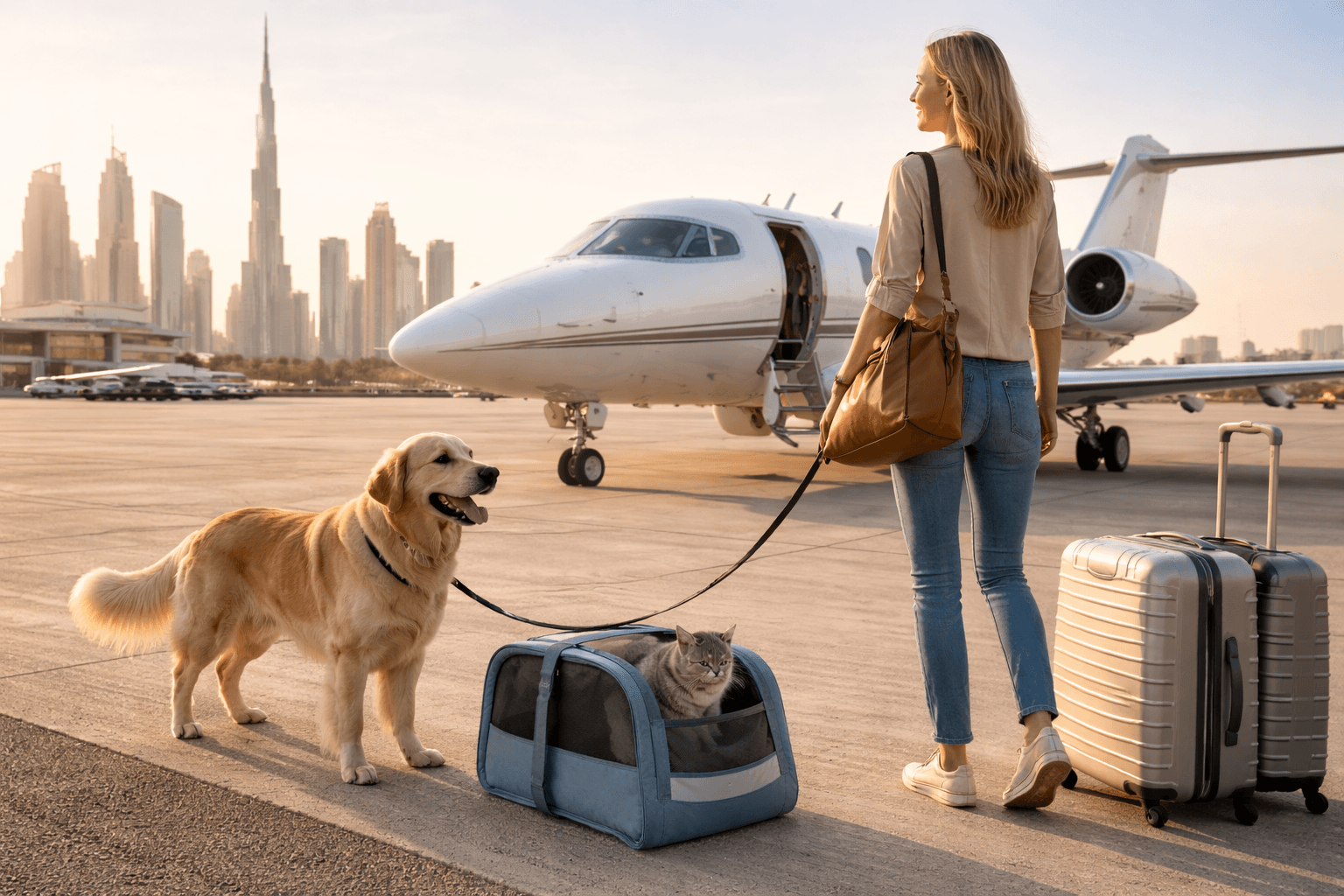
If you’re wondering “Can I take my dog to Thailand?” in 2026, the answer is yes.
I know because I did it.
When I moved to Thailand with my two dogs, Harley and Kalinda, I remember sitting on my laptop thinking:
“Can I bring my dog to Thailand… and not mess this up?”
Because this isn’t like booking a beach vacation. Thailand treats pet import like a controlled border crossing. If you miss a vaccine window, apply for the wrong permit, or board the wrong flight, your dog can be delayed, quarantined, or denied entry.
Thailand is also classified as a high‑risk rabies country, which means you have to think about two journeys at once: getting your dog into Thailand safely now, and being allowed to leave again later without months of extra waiting.
That’s why Paws Abroad combines Route Finder, a free Pawsport + Travel Plan, and Concierge support specifically for routes like Thailand that are more complex and detail‑sensitive.
Let’s break it down.
Start With a Route‑Specific Plan for Thailand
Before you book flights, get a clear, date‑based plan for Thailand so you don’t miss a single step.
- Use Route Finder to see what matters for your dog’s route into Thailand.
- Create your dog’s free Pawsport + Travel Plan to keep vaccines, permits, and health certificates in one place and check them against your travel dates.
- Upgrade to Concierge support if you want human review and coordination for this higher‑risk route.
Can I Bring My Dog to Thailand?
Yes, you can bring your dog to Thailand as long as you follow the official import requirements.
At a high level, Thailand requires:
- An ISO-compatible microchip
- A valid rabies vaccine (after microchip)
- Core vaccinations
- An approved Thailand import permit
- An endorsed international health certificate
- Compliance with airline pet rules
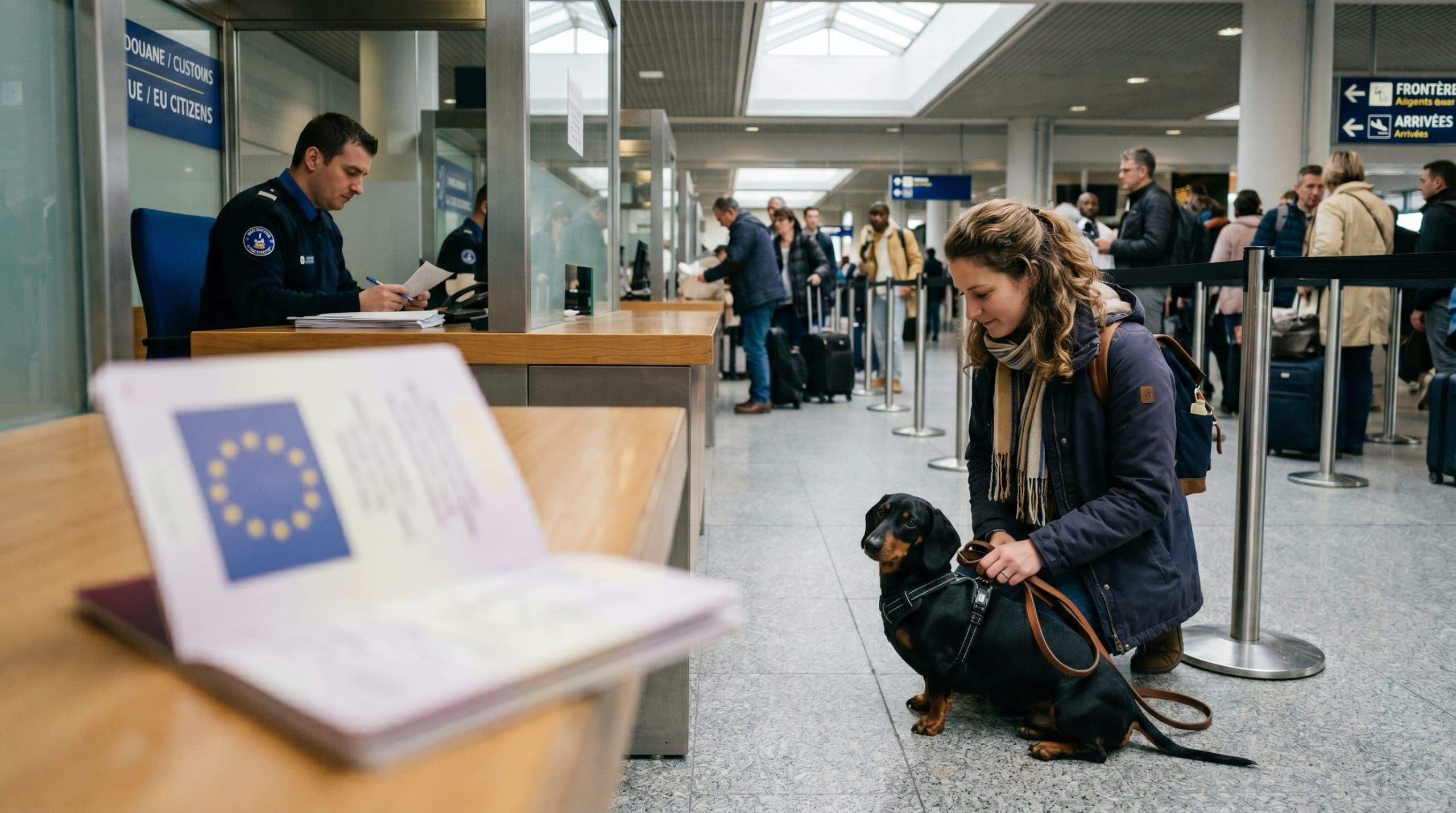
- Original paperwork presented at the Animal Quarantine Station on arrival
If everything is correct, most dogs are released the same day without extended quarantine.
If something is wrong? That’s where things get stressful.
This is why we built the free Pawsport + Travel Plan inside Paws Abroad because international pet travel isn’t hard because it’s complicated.
It’s hard because it’s deadline-driven.
Step-by-Step: Thailand Dog Import Requirements (2026)
1. Microchip First (Always Before Rabies)
Your dog must have an ISO 15-digit microchip.
And it must be implanted before rabies vaccination.
That microchip number must appear on:
- vaccination records
- health certificate
- import permit
This sounds simple. It’s where many people accidentally create document mismatches.
2. Rabies + Core Vaccines
Rabies:
- Given after microchip
- Administered within the proper window before arrival
- Still valid at time of travel
Core vaccines (commonly expected):
- Distemper
- Hepatitis
- Parvovirus
- Often leptospirosis
Timing matters. Too early or too late and you reset your timeline.
Your dog’s free Pawsport keeps vaccination dates and certificates in one place, so you can check each step against your travel date instead of guessing.
3. Thailand Import Permit (Animal Quarantine Station)
Before you fly, you must apply for a Thailand import permit.
You’ll submit:
- dog details
- microchip
- vaccination records
- passport copy
- tentative flight
Approval comes via email. You print it and bring it.
This is one of the steps people underestimate especially if flight dates shift.
4. Health Certificate + Government Endorsement
Shortly before departure, your dog needs:
- a physical exam
- an international health certificate
- endorsement from your national authority (USDA, CFIA, etc.)
Original stamped documents must be presented on arrival.
Digital copies alone are not enough.
How Much Does It Cost to Fly a Dog to Thailand?
“How much does it cost to fly a dog to Thailand?” is one of the most searched questions.
The honest answer: it depends.
Factors include:
- Country of origin
- Dog size
- In-cabin vs cargo
- Airline
- Crate size
- Government endorsement fees
Most international relocations to Bangkok or Phuket land in the low four figures once you include:
- airline or cargo fee
- crate
- vet visits
- import permit
- endorsement
The biggest cost swings usually come from flight choice and routing. Route Finder shows what matters for your dog’s route into Bangkok or Phuket before you book, including whether your dog is likely to fly in the cabin or in cargo.
Moving to Thailand With a Dog: What It’s Really Like
Let’s talk real life.
Is Thailand Dog-Friendly?
Yes but differently than North America or Europe.
In Bangkok and Chiang Mai, you’ll find:
- pet cafés
- dog parks
- modern vet clinics
- pet supply stores
But:
- Not all condos allow pets
- It’s hot very hot
- Street dogs exist in many neighborhoods
- You’ll adjust walk times
When I lived there with Harley and Kalinda, the biggest adjustment was the climate and housing rules not the paperwork.
With Paws Abroad, you get:
- vetted pet-friendly neighborhood resources
- relocation checklists
- local vet guidance
- destination-specific tips
Because importing your dog is step one. Living well with them is step two.
Important: Thailand Is High-Risk for Rabies
Thailand is classified as a high-risk country for dog rabies.
This matters because if you plan to leave Thailand later with your dog, countries like:
- UK
- EU
- Canada
- USA
Have stricter rules for dogs coming from high-risk countries.
Many people only learn this when they’re trying to leave.
That’s why we help members design a dual-phase plan:
Phase 1: Bring your dog to Thailand safely
Phase 2: Plan your future exit compliance months in advance
Why Thailand Is a Concierge‑Level Route
Because Thailand is high‑risk for rabies and many families plan to leave again later, this route is often better handled with Concierge support instead of pure DIY.
With concierge, Paws Abroad can:
- design a dual‑phase plan that covers both entry into Thailand and future exit to the UK, EU, USA, or Canada.
- time your rabies vaccines and FAVN titre test correctly.
- check that your airline options match what Thai authorities and your home country will accept.
For straightforward leisure trips, DIY planning may be enough. For relocations or long stays, concierge support is usually the safer choice.
Leaving Thailand With Your Dog Later
If you plan to return to the UK or EU later, you’ll likely need a rabies antibody titre test (also called a FAVN test) followed by a waiting period before entry is allowed. We break down exactly how the FAVN rabies titre test works, when to do it, and how long it’s valid in our complete guide here:
If returning to the USA:
- Specific high-risk country documentation rules
- Microchip and rabies verification
- Approved entry processes
The timeline can easily stretch into months if you get the order wrong.
This is where Paws Abroad Concierge becomes incredibly valuable for Thailand routes. We map out your future exit while you’re still planning the move in, so you are not stuck abroad waiting for paperwork or test windows to reset.
Concierge clients for Thailand get:
- a written dual‑phase plan (entry + exit).
- timeline and document review before every critical step.
- flight and route guidance based on what airlines and border authorities will actually accept.
Thailand is complicated, not impossible but it’s detail‑sensitive enough that having human support can prevent very expensive mistakes.
How Paws Abroad Actually Helps (The Transformation)
You could try to piece together Thailand’s rules from scratch, juggling government sites, airline policies, and conflicting forum advice.
Or you could:
- Create your dog’s free Pawsport + Travel Plan
Keep your dog’s records and the known requirements for your route into Thailand in one place, so you can see what is still left to do. - Check your route in Route Finder
Tell us about your dog and your trip, and see what matters for your route into Bangkok or Phuket, including whether your dog is likely to fly in the cabin or in cargo. - Upgrade to Concierge (recommended for Thailand)
Add human support on top of your plan: document and permit review, endorsement guidance, flight and routing advice, and help if timelines or bookings change.
For simpler trips, the free Pawsport + Travel Plan may be enough. For relocations or long stays, most families feel safest with Concierge guiding them through Thailand from start to finish.
Want Help Planning Thailand From Start to Finish?
Because Thailand is high‑risk for rabies and many families plan to leave again later, it’s one of the routes where Concierge support makes the biggest difference.
Start in Route Finder, build your dog’s free Pawsport, then book a Personalized Journey Review so a specialist checks your plan before you book.
FAQ: Bringing a Dog to Thailand (2026)
Can I take my dog to Thailand?
Yes. You can take your dog to Thailand if they are microchipped, vaccinated (including rabies), have an approved import permit, and travel with an endorsed health certificate.
Can I bring my dog to Thailand from the USA?
Yes, as long as you meet Thai import rules and USDA export endorsement requirements before departure. Because of Thailand’s rabies status and future exit planning, many USA‑to‑Thailand moves are best handled with Paws Abroad Concierge support.
Can I bring my dog to Thailand from the UK?
Yes, you can bring your dog to Thailand from the UK in 2026 but you’ll need to follow both UK export rules and Thailand’s import requirements carefully.
Your dog must be:
- Microchipped (ISO-compatible) before rabies vaccination
- Vaccinated against rabies within the correct timing window
- Up to date on core vaccines
- Issued a Thailand import permit before travel
- Examined by an official veterinarian in the UK and provided with an endorsed export health certificate within the required timeframe
You’ll also need to book with an airline that accepts dogs on your chosen route to Thailand, and carry all original documents for inspection at the Animal Quarantine Station when you land.
Flights from the UK to Thailand can be complex especially for medium and large dogs that must travel as manifest cargo or via specialized routing. Route Finder shows what matters for your dog on this route, and our Concierge team can compare commercial and charter options that actually work for it, including cabin‑only options when available.
How much does it cost to fly a dog to Thailand?
Most relocations cost in the low four figures once airline, crate, vet, and government fees are included.
Is there quarantine for dogs in Thailand?
Not if documents are correct and your dog is healthy. Incomplete paperwork can result in quarantine.
Is Thailand dog-friendly?
Yes, especially in major cities, but housing and climate require planning.
What documents do I need for pet travel to Thailand?
Microchip certificate, rabies and core vaccine records, Thailand import permit, endorsed health certificate, and original copies on arrival.
How do I take my dog from Thailand to the UK, EU, USA or Canada later?
Plan early. High-risk rabies status means additional documentation and waiting periods are often required.
Ready to Plan Your Dog’s Move to Thailand?
Thailand is one of the most rewarding, and detail‑sensitive, routes you can plan with a dog.
- Use Route Finder to see what matters for your dog’s route into Thailand.
- Build your dog’s free Pawsport + Travel Plan so your dog’s records and route requirements are in one place.
- Upgrade to Concierge support to design your entry and exit plan with human guidance.
Discussion
Join the conversation
Share your experiences or ask questions about this article.