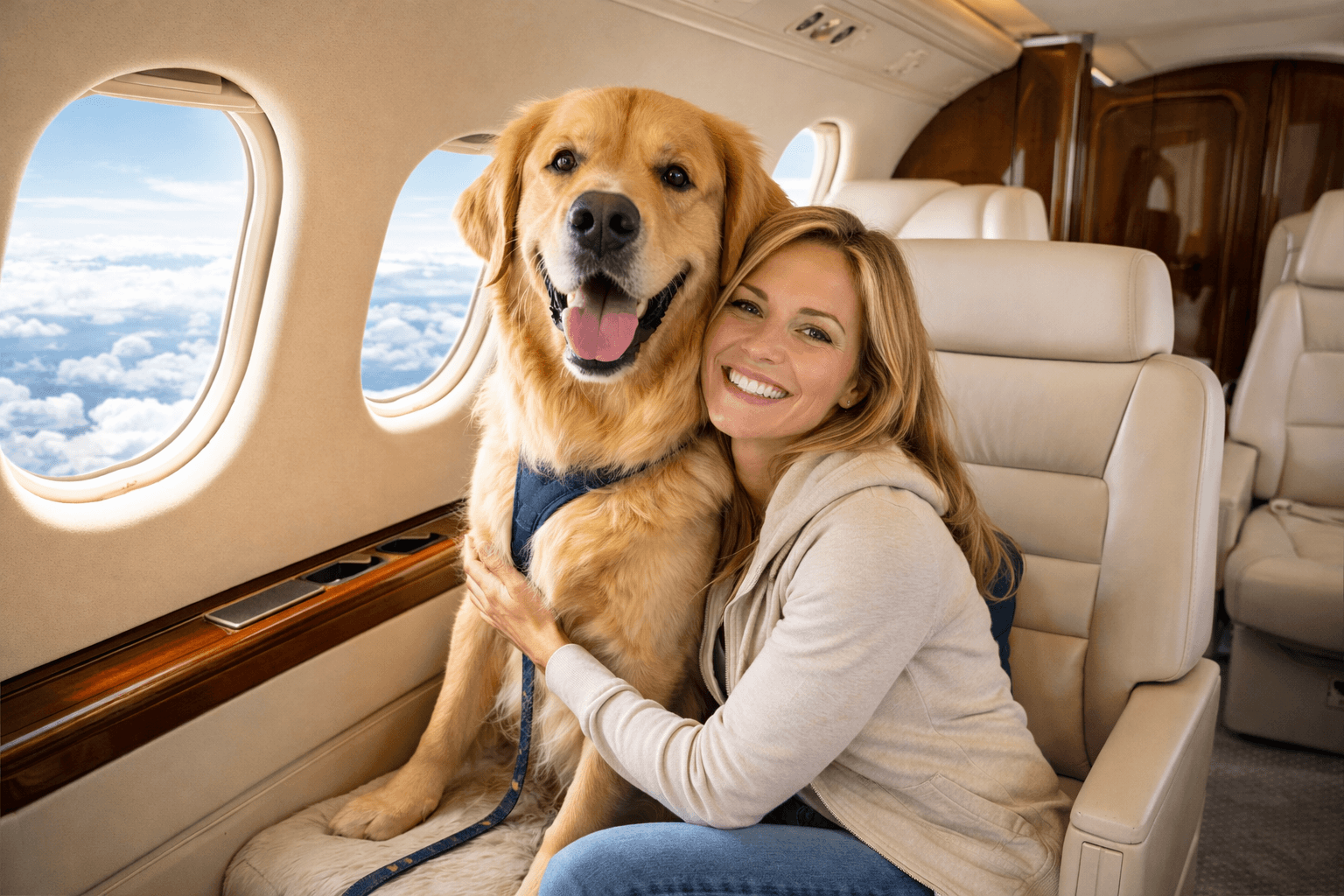

International Pet Travel Requirements 2026: Complete 2026 Guide for Dogs and Cats Moving Abroad
 Marisa Hoskins15 min read
International pet travel is complicated because multiple rules must line up at the same time: destination import requirements, airline pet policies, veterinary timelines, and government paperwork. If one step is done out of order, the trip can be delayed, denied, or pushed into quarantine. Paws Abroad helps pet parents turn those rules into a clear plan they can actually follow.
If you’re trying to figure out what applies to your dog or cat, start with the destination rules first, then build the vet and flight timeline around them. That sequence is the safest way to plan international pet travel in 2026.
This guide explains how international pet travel works in 2026, what requirements apply in different regions, and how pet parents can prepare their dog or cat for international travel safely, legally, and with fewer surprises. For the most up-to-date international pet travel requirements, visit official government or airline websites. If you want help turning this information into a clear, step-by-step plan tailored to your pet and destination, Paws Abroad provides personalized planning tools that remove the guesswork.
Need help turning this into a real travel plan?
Start with your pet’s Pawsport, compare viable flight options, and see what steps apply to your route.
How Paws Abroad Helps
Paws Abroad helps pet parents turn international travel rules into a step-by-step plan based on destination, timeline, and pet profile.
Through Paws Abroad, you can:
- create a digital pet profile to store microchip, vaccination, and document details.
- generate a customized travel checklist for your route.
- compare pet-friendly airline and flight options.
- identify the right order for vet appointments, paperwork, and booking.
- move from research to action without missing critical steps.
Airline Rules & Seasonal Restrictions (2026)
Airline policies and seasonal embargoes can significantly impact how and when pets are allowed to fly.
- Air Canada Pet Policy 2026: Flying with Your Dog or Cat
- Summer Pet Travel Restrictions 2026: Airline Embargo Calendar & Safety Rules
- Tap Air Portugal Airline Pet Policy 2026
- Airlines That Allow Large Dogs In Cabin
- My Dog Is Too Big To Fly
- 2026 Pet Friendly Airline Guide
These guides break down airline-specific rules and heat-related travel limitations so you can plan with confidence.
Want to compare routes before you book?
Use the flight marketplace to check safer options, then upgrade to membership or concierge support if your trip needs extra help.
Why International Pet Travel Requirements Are So Complex (and Why Most Advice Falls Short)
International pet travel requirements are complex because they are governed by multiple authorities that do not operate under a single system.
Destination countries set pet import requirements, including vaccination rules, waiting periods, and documentation standards. Veterinarians issue health certificates and administer vaccines, but in many cases those documents must be validated by government agencies. Airlines then apply their own pet travel policies based on aircraft type, route, temperature, and handling capabilities. Not all airlines accept pets on every route; whether they accept pets depends on specific requirements such as cabin restrictions, pet size, and destination-specific rules.
Because these systems operate independently, mistakes often occur when steps are completed in the wrong order or based on outdated information. This is why pets may be denied boarding, placed in quarantine, or refused entry even when pet parents believe they have followed the rules.
Many pet parents wonder whether they need a pet travel agency or if they can plan international pet travel themselves. Our Pets Travel Agency Guide explains how pet travel agents work, when they’re helpful, and when they may not be necessary.
We’ve seen situations where every individual step was technically “correct,” but completed in the wrong order resulting in denied boarding or quarantine. These aren’t edge cases. They’re common outcomes of fragmented systems.
How International Pet Travel Works in 2026
Although requirements vary by destination, most international pet travel follows the same foundational sequence. Understanding this order is what makes the process manageable.
Step 1: Confirm International Pet Import Rules for Your Destination
Every country has its own pet import requirements. These rules determine:
- which vaccines are required for international pet travel
- whether microchipping is mandatory
- if blood tests or waiting periods apply
- what international pet travel documents must be completed before arrival
- if there are restrictions on certain breeds due to safety or health concerns
- whether special rules apply for pets coming from a high risk country, especially regarding rabies
Some destinations, such as the European Union, the United Kingdom, and parts of Asia–Pacific, have strict timelines that can take several months to complete correctly. Others appear simpler but still require precise documentation. Dogs arriving from certain countries may face additional entry requirements, especially if they are coming from a high risk country. The FAVN (Rabies Titer) test is a critical requirement for many international destinations and one of the easiest steps to get wrong. Here’s the complete 2026 guide covering requirements, timelines, and common mistakes.
Inside Paws Abroad, destination requirements are translated into a personalized checklist based on your pet’s profile, travel origin, and timeline so you’re not trying to reverse-engineer regulations on your own.
Confirming the unique requirements for your destination must always come first. Booking flights or scheduling veterinary appointments before confirming destination requirements is one of the most common and costly mistakes pet parents make.
For more information on costing breakdowns for international pet travel check out our guide outlining the cost of shipping a dog and our guide on the cost of shipping a cat.
Step 2: Plan Your International Pet Travel Vet and Paperwork Timeline
International pet travel is timeline-driven. Most trips require planning at least 60–120 days in advance, depending on the destination.
Vaccines, parasite treatments, health certificates, and government endorsements must occur in a specific order and often within narrow windows. Missing a deadline by even one day can invalidate paperwork. It is crucial to track the date of each step, such as the date the health certificate is issued and the date of government endorsement, to ensure all documents are processed within the required timeframes.
In 2026, many countries still require:
- microchipping before rabies vaccination
- mandatory waiting periods after certain vaccines or blood tests
- an international pet health certificate issued within 5–10 days of travel
- government endorsement shortly before departure
This is where stress typically increases not because the steps are difficult, but because they are interconnected and time-sensitive. Careful planning at this stage reduces most problems later.
Budget tip: The pet health certificate cost can vary a lot depending on whether you’re traveling domestically or internationally, plus USDA endorsement fees and required tests. We break down real 2026 price ranges and what drives the total in our full guide.
Most pet parents tell us this is the point where they wish they had a single source of truth to track dates, documents, and dependencies.
That’s exactly what the Pawsport inside Paws Abroad was built for.
Step 3: Choose Safe Airlines and International Pet Travel Routes
Choosing the right airline and route is one of the most misunderstood parts of international pet travel. Not all airlines allow pets to fly on every route, and options for pets to fly in-cabin or as cargo depend on the airline and the type of plane.
Airline pet policies vary by:
- airline
- aircraft type
- route
- season
- whether pets travel in cabin, as checked baggage, or as cargo
There are also restrictions and guidelines for carrying pets onboard, including specific carry-on pet policies and kennel requirements that must be met.
An airline that allows pets on one international route may not allow them on another. Temperature embargoes, breed restrictions, aircraft limitations, and transit-country rules can all affect whether a route is viable. On most flights, there are specific requirements and a cost associated with pet travel, which can include fees for booking pet tickets and additional expenses depending on the airline.
Because airline pet policies change frequently, relying on outdated or generic advice often leads to problems at the airport.
Paws Abroad addresses this challenge by providing a pet-friendly flight booker and rating system that helps pet parents compare safer airline and route options based on their pet’s size, travel method, and destination. This reduces guesswork and helps travelers make informed decisions designed specifically for pets not just people.
Additionally, airlines may require pet strollers to be checked at the ticket counter, and fees for pet strollers may apply.
Check out our detailed guide on Airline Pet Policies in 2026 for a detailed overview of policies by airline.
These rules are some of the most commonly misunderstood and most likely to cause last-minute issues at the airport.
This is why many pet parents use Paws Abroad’s airline comparison tools to sanity-check routes before booking.
Step 4: Prepare for International Pet Travel Day and Arrival
Travel day is where preparation matters most.
This step typically includes:
- final document verification
- airline confirmations
- crate or carrier readiness
- understanding arrival procedures at the destination country
Some countries perform document inspections upon arrival, while others require advance notice or scheduled checks. Knowing what to expect helps pet parents move through the process calmly and advocate for their pet if questions arise.
For many travelers, this is also the emotional moment when months of preparation become real. Knowing what to expect, both logistically and emotionally, can make all the difference.
In-Transit Pet Care and Safety: Keeping Your Pet Comfortable and Secure
Once paperwork is approved and flights are booked, the focus shifts from compliance to comfort and safety. Ensuring your pet’s comfort and safety during international travel is just as important as meeting entry requirements for your destination. Pet owners must pay close attention to the specific pet entry requirements set by each country, as well as the guidelines enforced by the Plant Health Inspection Service and other regulatory bodies. Before your trip, research the regulations for dogs imported into or arriving in regions such as South America, Central America, or the European Union, as these often have additional restrictions and paperwork.
A key aspect of safe pet travel is selecting an airline-approved pet carrier. The carrier should allow your pet to stand, sit, turn around, and lie down in a natural position, meeting both airline and country requirements for live animals. For pets traveling in the cargo hold or on a separate flight, it’s essential to check that the carrier is sturdy, well-ventilated, and labeled according to international transport rules. Airlines may impose embargoes during periods of extreme heat or cold to protect animals, so always confirm seasonal policies and cabin type options before booking.
Documentation is another critical component. Most countries require a health certificate issued by a veterinarian within a specific time period before travel, and some destinations—especially high risk countries—require a USDA endorsement on your paperwork. The Centers for Disease Control and Prevention (CDC) has strict requirements for dogs entering the United States from certain countries, including proof of rabies vaccination and, in some cases, a six-month waiting period after vaccination. Be prepared to present all necessary documents, including your pet’s health certificate and rabies records, at the ticket counter and during any connecting flight.
If your pet is traveling as cargo or on a separate flight, additional restrictions and rules apply. It’s wise to work with a reputable pet shipper who understands the regulations for international pet transport and can help ensure all paperwork and tests are completed correctly and on time. Service animals and service dogs may qualify for different entry requirements, so pet owners should research the specific rules that apply to their animal and destination.
Whether your pet is flying in the cabin, cargo hold, or even traveling by cruise ship, careful planning is essential. Consult your veterinarian to complete all required tests and paperwork, and always double-check the entry requirements for your destination country. By staying informed and prepared, pet owners can help their pets travel safely, comfortably, and in compliance with all international regulations making the journey as smooth as possible for both you and your animal companion.
If you’re considering flying in a private jet with your pet, check out our Charter Air Travel With Pets Guide
Pet Travel Regulations by Region
While the overall process is similar worldwide, pet import requirements vary significantly by region. Understanding regional differences early helps prevent assumptions that can derail an otherwise well-planned trip.
European Union
Most EU countries follow standardized pet travel regulations that emphasize microchipping, rabies vaccination, and approved health certificates. Some EU countries also have specific requirements for certain breeds, so it is important to check breed eligibility and restrictions before traveling. Individual countries may enforce additional requirements or interpretations. Paws Abroad breaks these regional differences down inside destination-specific travel plans.
Traveling with a dog to Europe?
See exactly what’s required for EU entry, airline feasibility, and common pitfalls in our 2026 Europe dog travel guide.
→Take My Dog to Europe (2026 Guide)
→Dogs In Portugal Guide and How To Move To Portugal From The USA With A Dog
→EU Animal Health Certificate (AHC)
UK & Ireland
The UK and Ireland apply stricter controls and timelines that differ from mainland Europe. Planning international pet travel to these destinations requires careful attention to documentation and timing.
North America
The United States, Canada, and Mexico generally have fewer import barriers, but airline pet policies and documentation requirements still apply, particularly for international arrivals. Furthermore, it’s important to understand the departure requirements of the country you’re in. For Canada you can check the import/export regulations at the CFIA website. In The US, the CDC considers the risk of rabies and other diseases when determining import restrictions for dogs arriving in the United States.
For dogs arriving in the US, there are specific regulations regarding health certificates, rabies vaccination, and entry permits, which may vary by state and the country of origin.
Additionally, traveling with a service animal or service dog is subject to specific airline and government regulations, including documentation and compliance with the Americans with Disabilities Act (ADA).
Traveling from the U.S.? Learn how APHIS and USDA pet travel requirements fit into international pet travel and what they don’t control.
Planning a move from the US, Canada, or Mexico?
Check your route first, then build your timeline around the correct export and import rules.
Asia–Pacific
Asia–Pacific destinations often require longer planning timelines, additional permits, and advance approvals. Some countries mandate import licenses or post-arrival inspections, making early preparation essential.
→Can I Take My Dog To Thailand Guide
Traveling With Pets During Political Unrest or Emergency Relocations
While most international pet travel is planned months in advance, global events can sometimes force families to relocate much more quickly.
Political instability, regional conflict, airspace closures, or sudden visa changes can disrupt commercial airline schedules and cargo availability making pet travel significantly more complicated.
In highly international cities with large expatriate populations, such as Dubai, Singapore, or Hong Kong, sudden relocations can happen quickly when geopolitical conditions change.
In these situations, pet owners may face additional challenges such as:
- rapidly changing airline schedules
- limited cargo capacity for animals
- temperature restrictions affecting pet transport
- short documentation validity windows
- difficulty coordinating veterinary paperwork under tight timelines
This is why planning and documentation sequencing becomes critical when relocating pets internationally.
Even when departure is urgent, pets must still meet both:
• export requirements from the departure country
• import requirements for the destination country
Because every destination has different rules, confirming the exact requirements before booking travel is essential.
In some situations where commercial airlines cannot accommodate pets, families may explore shared charter flights or private aviation options so pets can remain in the cabin with their owners.
At Paws Abroad, we help pet parents navigate complex relocations by confirming regulatory requirements, coordinating documentation timelines, and identifying viable flight options.
If you’re currently navigating a relocation from the UAE, our detailed guide explains what to expect.
→ Leaving Dubai With a Dog or Cat (2026 Guide)
This guide covers:
- UAE export requirements through MOCCAE
- airline pet travel policies
- shared charter flight options
- private jet travel for pets
- documentation timelines and common mistakes
Understanding these requirements early can make the difference between a smooth relocation and a stressful situation for both pets and their families.
International Pet Travel Checklist (Key Milestones)
While every trip is unique, most international pet moves include the following milestones:
- confirm destination pet import requirements
- verify microchip and rabies vaccination status
- schedule veterinary appointments based on required timelines
- select a pet-friendly airline and route
- complete health certificates and government endorsements
- prepare for departure and arrival procedures
Following these steps in the correct order simplifies the process significantly.
FAQs About International Pet Travel With Paws Abroad
How far in advance should I start planning international pet travel?
Most international pet travel should be planned 60–120 days in advance, depending on destination rules and waiting periods.
What documents do I usually need?
Most trips require a microchip, rabies vaccination, health certificate, and destination-specific import paperwork.
Do all airlines allow pets on international flights?
No. Airline pet policies vary by airline, route, aircraft type, season, and whether pets travel in cabin or cargo.
Is cargo safe for international pet travel?
Cargo can be safe on the right airline and route, but it is not right for every pet or every trip.
What happens if my paperwork is wrong?
Paperwork errors can lead to denied boarding, delays, quarantine, or refusal of entry.
Can I plan international pet travel on my own?
Yes, but many pet parents prefer help because the order of steps matters and rules change often.
Ready to Build Your Pet’s Travel Plan?
International pet travel changes by country, airline, and season, so the safest next step is to build a route-specific plan before you book.
Start with your pet’s Pawsport, compare flight options, and choose the level of help that fits your move.
Discussion
Join the conversation
Share your experiences or ask questions about this article.